“Echoes of Her” Podcast | A Conversation with Creator Adell Coleman
Echoes of Her: A Storytelling Show About Grief
Echoes of Her honors the lives of mothers and motherly figures — who they were, how they loved, and the impact they left behind. Through intimate conversations, personal reflections, and shared memories, guests speak honestly about grief, loss, and remembrance.
Each episode offers space to celebrate stories that deserve to be remembered, even when the people who lived them are no longer here to tell them. Adell speaks with everyday people and experts alike. They explore how to navigate grief, how to have honest conversations with ourselves and our children, and where to find resources, books, and support along the way. There’s also laughter… because joy, memory, and healing often live side by side.
Every episode closes with “To Mom, with Love.” It’s an audio letter where guests speak directly to the mothers and the mother figures who shaped them. MOST IMPORTANTLY, this is not a sad show. It’s an encouraging one. It’s about community, honesty, and connection… reminding us that everyone has lost someone, and none of us have to carry it alone.
I spoke with Adell Coleman about her show, the story behind it, and what came up for her in the making of it. Enjoy!
A Conversation with Adell Coleman on Echoes of Her
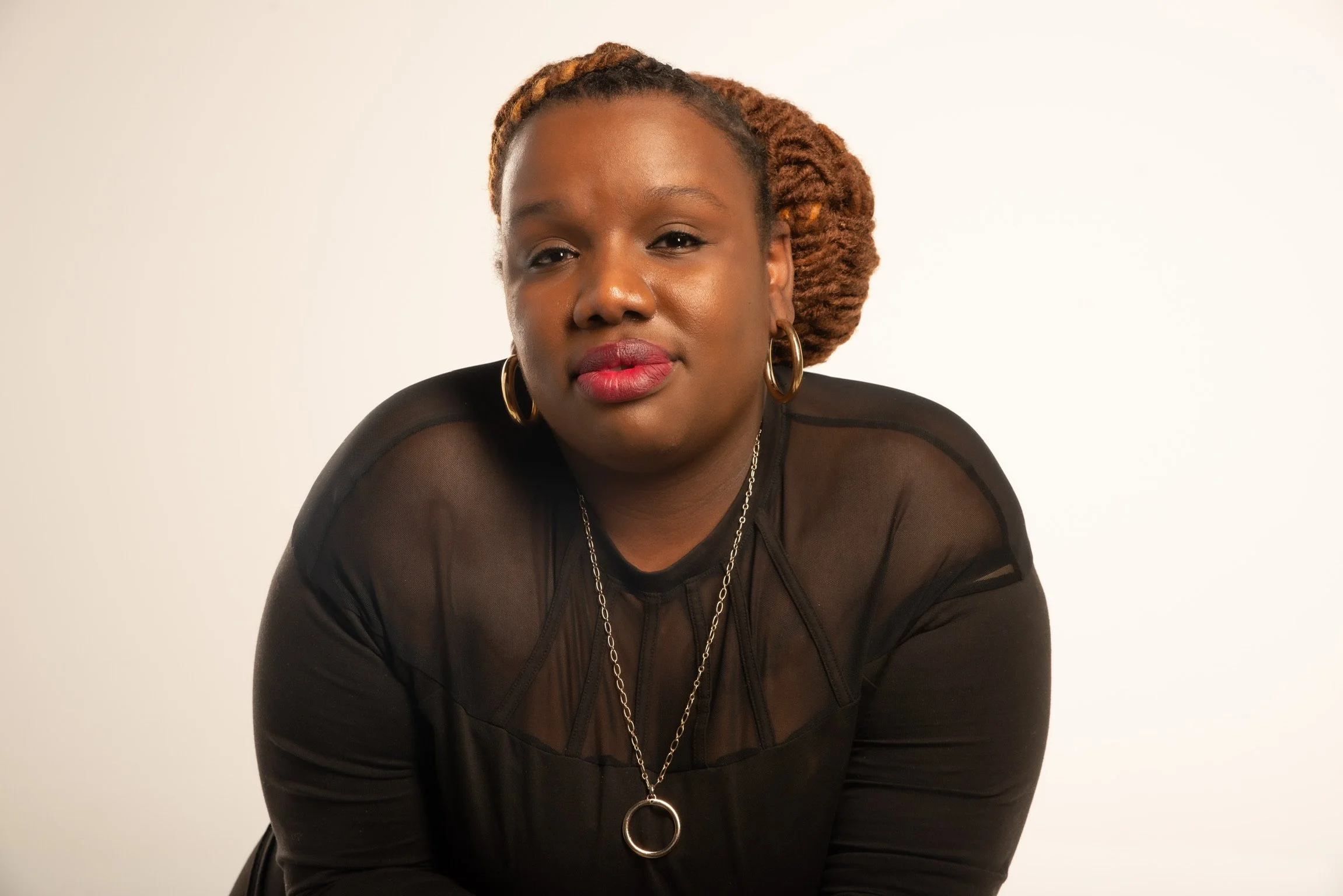
Adell Coleman
Arielle Nissenblatt: Your podcast grew out of your documentary work. At what point did you realize that the stories you were encountering needed a separate space in audio form, and what could podcasting offer that film couldn’t?
Adell Coleman: Wow, great question right away, huh! So… in creating this documentary, we are covering the stories of four key women, as well as group sessions as interstitials to move the story. The group sessions are powerful and they host a number of stories that we felt we couldn’t fully feature in the documentary. The podcast gave a pathway to that. We get to share some of the stories from the group sessions in a one-on-one extended format, and give an individual platform to as many women who’d like to share. Furthermore, where the conversations in the documentary focus on the storytelling from Black women about the grief of their mothers, the podcast is opening up more conversations with anyone, of any race or gender identity to share their stories of losing not just their mother, but motherly figures. I realize a lot of people may have had close relationships and were raised by women who may not have been their mothers so the podcast gives light to that as well. Both the documentary and the podcast have such amazing stories and those that we can all relate to.
AN: You’ve spoken about how grief, especially for Black women, is often shaped by societal expectations and the pressure to be “strong.” How has hosting this podcast challenged or reshaped your own understanding of what strength really looks like?
AC: This whole process has been an eye opener more than I ever imagined it could. It showed that we often carry this unspoken weight… That by keeping it together, we think that makes us strong. By supporting everyone when we feel tired… that makes us strong. But the strength is in finding community, it is in us being honest with ourselves and allowing ourselves to lean on each other. I’ve found that a lot of us have that idea of strength that we are the anchors, our exchanging of thoughts and ideas and personal experiences has taught us that. But there is strength in finding each other and leaning into that as well.
AN: One of your first episodes features a deeply personal conversation with your daughter about the loss of her grandmother. What did that experience teach you about how grief travels across generations, even to those who never met the person who was lost?
AC: First I want to say I am exceptionally proud of Athena. She and I often have conversations about her Nana and I wanted to share that, not just to recall memories and stories but to help other parents navigate these hard conversations. I do not know everything and I am still navigating this space as well, but I truly believe honesty is the best way. This experience with raising both her and her sister has taught me how important it is to share stories because their relationship with their grandmother is 100% hinged upon what they learn from those who are left behind. I’ve learned how to navigate tough situations, because she is coming up without a grandmother and that’s something i didn’t have to face until adulthood. I also learned that it’s ok to sit back and let her lead about her feelings and that she grieves her grandmother as well… To find space for her to communicate and express her grief in ways that may be different from mine, and ways that I may have quite frankly avoided.
AN: Your podcast intentionally balances grief with moments of joy, laughter, and healing. How do you approach creating emotional safety for guests so they feel comfortable sharing both the pain and the beauty of their memories?
AC: Transparency. I feel like transparency is key. I often share with them my story and also my intentions. I am very honest with what we are talking about and specifically around the letter portion of the episode, I give them a heads up prior to booking. Also that’s the beauty of podcasting, as well it’s not live, so any side conversations they need, or anything they may say that makes them uncomfortable I give them the space to reset, express their feelings freely, and if there’s something that they don’t want to share publicly, we don't. I also find by sharing my experiences that they see we have a lot more in common and by being relatable it often allows for the guest to feel comfortable. I don’t try to be an expert, I just approach human to human.
AN: You’ve said that healing is not linear and that grief is multifaceted. Has there been a particular story from a guest that changed how you personally move through your own healing process?
AC: Oooh, this is a great question. Yes, I absolutely have. I'd have to say all of the stories have helped me and inspired me. But if I’d have to identify a moment, I remember in one of my sessions talking about not allowing my daughters to see my tears, one of the women shared that it’s ok for them to see me cry. My children would cry anytime I cry. I didn’t want them to see me because I wanted to protect them. But she shared I actually help them because it makes me human, it helps them to relate to me. This helped me in my healing because it helped me to be more honest with my children but also teach them that grief is not only laughing and reflecting.
I also love my mother, their grandmother, so much that sometimes I miss her so deeply it makes me cry. This sounds so simple but it’s helped both me and my daughters because we have had conversations about how I grieve and let them know that they are not alone in their tears as well.
AN: Many grief-centered projects focus on remembrance, but Echoes of Her also emphasizes community and connection. What role has the listener community played in shaping the meaning or direction of the show so far?
AC: I’ve learned from doing other shows around remembrance that people sometimes will tune out after a while. I get that, so by also talking about community and connection it creates a way for everyone to connect. The listener community can learn about someone, but we also help everyone by providing tools to navigate grief, tips on how to find community, break down what grief looks like even when it’s not just about losing someone but losing something like a job, a friendship or relationship… etc.
The listener community has helped shape that direction, there are people who haven’t lost a mother, but we have all experienced loss and that is the connection here. How we process when we’ve lost someone or something exceptionally important to us, that’s what this podcast hopes to cover. Yes, we do have stories about moms and letters to moms, but even in that, the letter reminds us that it’s ok to process grief and it’s ok to acknowledge it, and give ourselves the space to say or share the things we otherwise might not share.
AN: Any other podcasts or pieces of media that've helped you in this journey or that you draw inspiration from?
AC: Grief Out Loud is a show I really enjoy by Jana DeCristofaro who was my very first guest. I’ve really enjoyed connecting with her. Also Marissa Renee Lee, who writes about grief and healing… and that has helped me a lot. She has a new book –Waiting for Dawn – that drops in April, and it’s just so relatable.